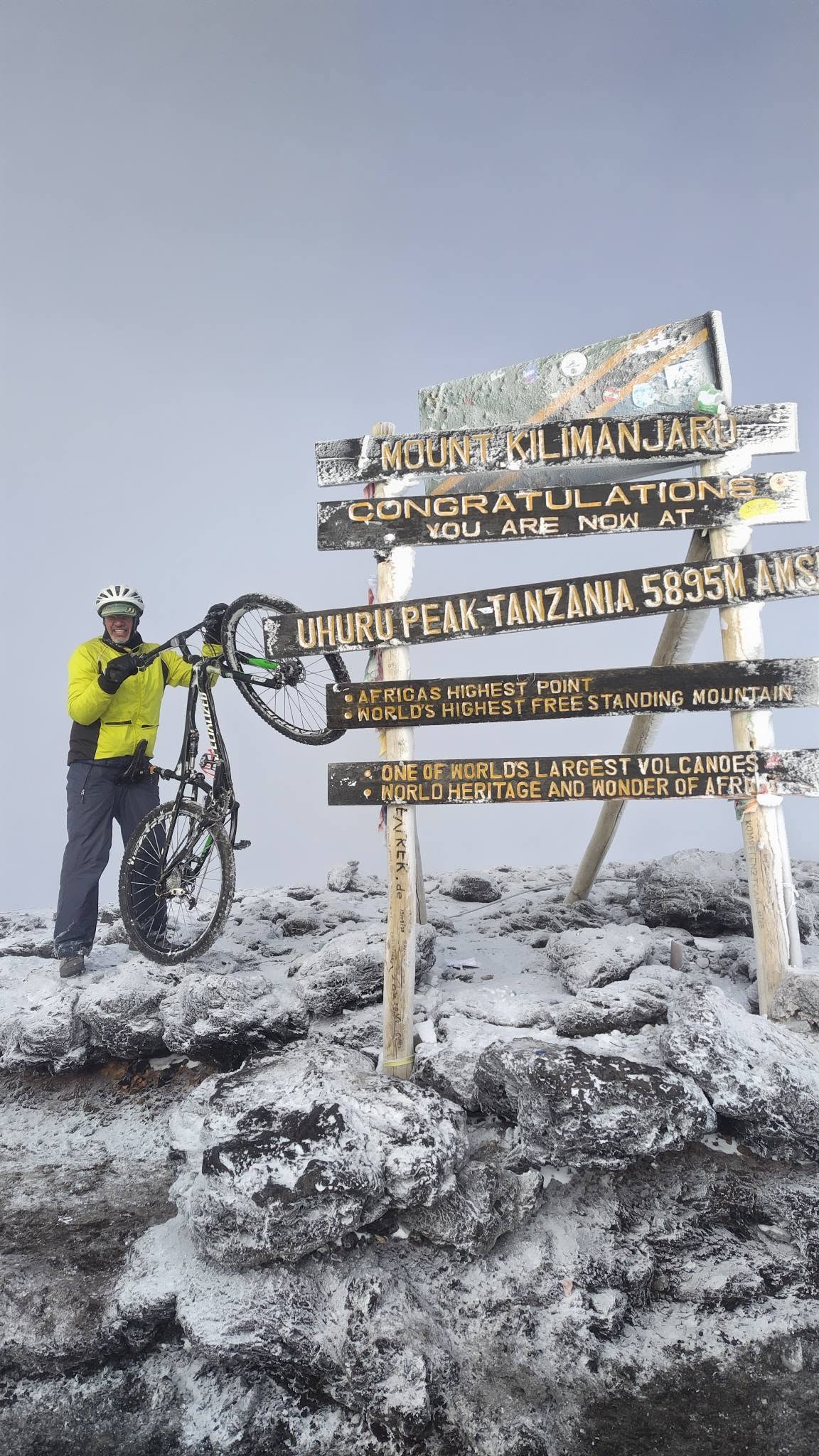
Southern Highlands Exploration Ride (Iringa → Udzungwa)
Ultimate Adventure Cycle Touring Experience in Tanzania’s Heartland
Introduction: The Ride of a Lifetime
Tanzania’s Southern Highlands are a land of wild beauty — undulating green hills, mist-kissed escarpments, ancient forests, and sweeping panoramas that reveal a deeper, hidden Tanzania. For explorers who live for two wheels and dirt roads, the Southern Highlands Exploration Ride from Iringa to Udzungwa is not just a route — it’s a transformative journey that weaves culture, nature, and adventure into an unforgettable experience.
This immersive cycling expedition invites riders to discover landscapes rarely seen by tourists, connect with welcoming communities, and push personal limits under vast open skies. Whether you’re an experienced bikepacker or a thrill-seeking traveler, this ride delivers panoramic mountain views, challenging terrain, and nature encounters few others have witnessed.
In this guide, we dive into every detail: the route, highlights, logistics, preparation tips, cultural experiences, safety insights, and why this ride should be on every adventure seeker’s bucket list.
Chapter 1: Why This Ride Is Special
A Journey Through Diverse Landscapes
The Southern Highlands of Tanzania are unlike the coastal plains or the arid north. From Iringa Plateau, known for its cool climate and rolling grasslands, to the foggy forests of Udzungwa Mountains National Park, this ride showcases:
- Rolling plateaus and dramatic escarpments
- Ancient forests dripping with biodiversity
- Waterfalls, rivers, and hidden valleys
- Remote villages and great cultural depth
- Cycle Tourism in the Southern Highlands
Unlike more popular tourist circuits, this route remains largely untouched by mass tourism — offering:
Peaceful roads and scenic trails
Warm, traditional communities
Night skies free from light pollution
True wilderness experiences
Chapter 2: The Route Overview
Starting Point: Iringa Town
Iringa is a gateway to Tanzanian highland culture — a vibrant town with colonial history, local markets, and café culture perfect for preparing before a long ride.
Key Attributes:
Elevation: ~ 1,550 m (cooler climate)
Local crafts and coffee culture
Accommodations for riders
From Iringa, riders ascend gradually into the highlands, transitioning from townscapes to rural roads and eventually rugged mountain trails.
Stage 1: Iringa → Kitulo Plateau
Distance: ~ 80 km
Terrain: Mix of paved and gravel roads
Highlights:
- Vast grasslands
- Panoramic views
- Spotting endemic birds
This leg builds rhythm and takes riders into ecosystems of open highland savannahs and rolling hills — perfect for warming up.
Stage 2: Kitulo Plateau to Chimala Pass
Distance: ~ 70 km
Terrain: Mountainous and demanding
Highlights:
- Stunning highland cliffs
- Local tea farms
- Challenging climbs rewarded with sweeping descents
At its heart, this section is for riders who crave both physical challenge and jaw-dropping scenery.
Stage 3: Chimala Pass → Udzungwa Foothills
Distance: ~ 100 km
Terrain: Gravel, forest trails, and river crossings
Highlights:
- Forest corridors
- Udzungwa Mountains rising ahead
- Wildlife and waterfalls
Riders enter ecologically rich regions — every bend promises another lush vista or rushing waterfall.
Final Leg: Udzungwa Gateway to Park Trail
Distance: ~ 30 km
Terrain: Trails, single tracks, and guided paths
Highlights:
- Rainforest echoes
- Ancient biodiversity
- Final approach to the National Park
The ride culminates at the edge of Udzungwa Mountains National Park — one of Africa’s most biodiverse forest ecosystems.
Chapter 3: What You’ll See & Experience
Nature Highlights
This region is a biodiversity hotspot with:
- Rare birds and endemic species
- Forest elephants and primates
- Waterfalls, rivers, and Afro-montane landscapes
Expect to see species found nowhere else — from unique orchids on the plateau to forest-dwelling creatures deep in the Udzungwa foothills.
- Cultural Immersion
- The route winds through small rural communities where riders can:
- Taste local Tanzanian cuisine
- Meet Maasai and Hehe cultural groups
- Learn traditional crafts and storytelling
This ride isn’t only about nature — it’s about people, heritage, and shared experiences.
Chapter 4: Practical Planning
When to Go
Best seasons:
Dry season: June – October
→ Cool, excellent trail conditions
Short rains: November – December
→ Lush landscapes, fewer crowds
Long rains: March – May
→ Rideable, but softer trails and more mud
Distance & Difficulty
Total route: ~ 280–300+ km (depending on side trails)
Difficulty: Moderate-to-Challenging
Best for: Experienced riders, bikepackers, endurance cyclists
Accommodations & Stops
You’ll find a mix of:
- Guesthouses and lodges
- Campsites and eco-lodges
- Homestays with local families
Chapter 5: Gear & Bike Recommendations
- Bike Types
- Gravel bikes
- Mountain bikes
- Fully loaded bikepacking setups
Steep climbs, washed-out tracks, river fords, and remote terrain call for durable machines with wide tyres and reliable gearing.
Essential Gear
Spare tubes / tubeless repair kit
Multi-tool and chain links
Hydration system (2–4L capacity)
Portable pump and patches
Lighting for dawn/dusk travel
Weather gear (rain jacket + warm layers)
Safety & Navigation
GPS or offline maps required (Komoot/Strava/GPX)
Satellite communicator or phone with local sim
First-aid and insect repellent
Emergency shelter / bivvy
Chapter 6: Food, Water & Resupply
Local Flavours
Along the way, riders can enjoy:
Chapati, rice, beans & local stews
Fresh fruits from roadside stands
Ugali and nyama choma with tea and coffee
Water Strategy
Tap water isn’t always reliable — plan to:
Carry at least 2–3 litres
Refill at villages or streams (filter before drinking)
Use purification tablets or filters
Chapter 7: Safety, Health & Etiquette
Health Tips
Take antimalarial precautions
Protect against sun exposure and insects
Be aware of altitude changes
Cultural Etiquette
Ask before taking photos of locals
Learn basic greetings in Swahili
Respect village customs
Local communities are incredibly welcoming — a little respect goes a long way.
Chapter 8: Sustainability & Responsible Travel
This route runs through sensitive ecosystems and communities. To protect the environment:
Pack out all trash
Avoid single-use plastics
Support local businesses
Respect wildlife and quiet zones
Chapter 9: Challenges and Tips from Experts
Top Challenges
Steep ascents & descents
Loose gravel & rooty trails
Remote stretches without services
Expert Tips
Pace yourself — this is an experience, not a race
Ride with a partner or group for safety
Connect with locals for insider path advice
Chapter 10: FAQs
Q: Do I need a guide?
A: Not mandatory, but recommended for first-timers.
Q: What bike is best?
A: Gravel or mountain bikes with strong brakes and wide tyres.
Q: Are there repair shops en route?
A: Limited — basic repairs available in larger towns only.
Q: Can beginners do this?
A: With good fitness and preparation, yes — but parts are advanced.
Conclusion
The Southern Highlands Exploration Ride (Iringa → Udzungwa) is more than a cycling route — it’s a transformational odyssey through some of Tanzania’s most spectacular scenery and authentic cultural landscapes.
Whether you’re planning your first adventure ride or you’re a seasoned bikepacker looking for something raw and inspirational, this journey promises challenges, beauty, and stories you’ll carry forever.
👉 Ready to plan your ride? Contact us for maps, guides, and gear recommendations. Let’s make this your next epic adventure!