Eastern Usambara Hills Eco Ride – Discover Tanzania’s Hidden Cycling Paradise
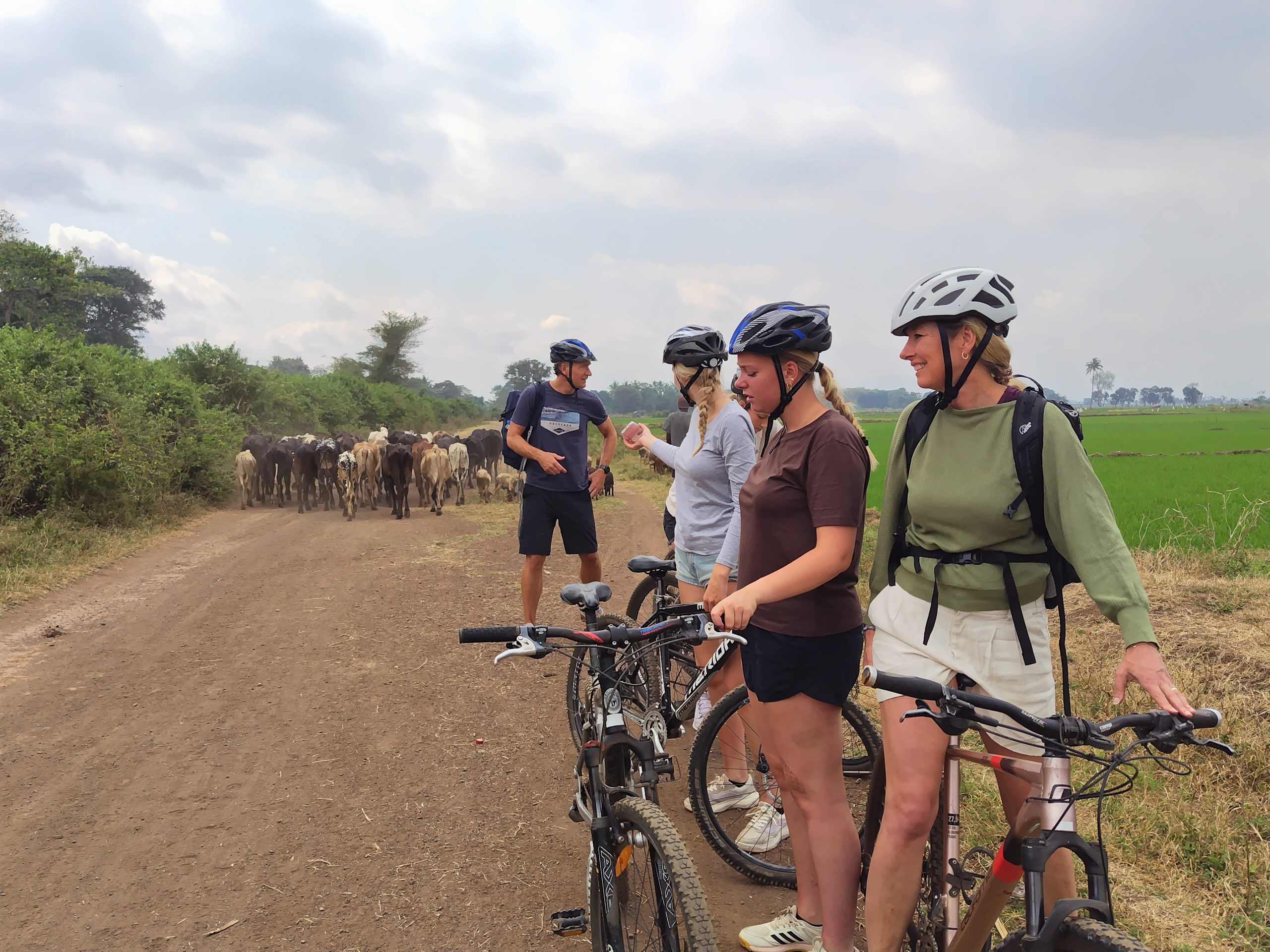
Cycling trail with panoramic Usambara backdrop.
1. Introduction — What Is the Eastern Usambara Eco Ride?
The Eastern Usambara Hills Eco Ride is not just a cycling tour — it’s an immersive journey through one of Tanzania’s most biodiverse and culturally rich landscapes. Set within the ancient Usambara Mountains, part of the Eastern Arc Mountain chain, this eco ride blends nature, culture, sustainability, and adventure.
Visit Tanzania – Land of the Kilimajaro
On this eco ride, travelers explore remote villages, ancient forests, panoramic viewpoints, and interact with local Sambaa communities — all while limiting environmental impact and promoting responsible tourism.
2. Why Choose an Eco Ride in the Eastern Usambaras?
2.1 Unparalleled Biodiversity
The Usambara Mountains are recognized as a global biodiversity hotspot. The East Usambaras receive ample rainfall and support lush forests with thousands of plant species, many endemic to the region. Nature enthusiasts can delight in bird watching, butterfly spotting, and forest wildlife sightings.
Visit Tanzania – Land of the Kilimajaro
Over 350 bird species in nearby reserves.
Amani Nature Reserve’s cloud forests with rare flora and fauna.
2.2 Cultural Richness
Cycling through the hills allows you to experience authentic Sambaa culture, meet farmers, visit weekly markets, and learn traditional agricultural practices that have shaped life here for generations.
2.3 Epic Scenery & Climate
The hillsides, terraced farms, and panoramic ridges provide breathtaking views and a comfortable climate for cycling. Trails vary from forest paths to highland roads, always framed by the dramatic backdrop of valleys, cliffs, and distant plains.
3. Eco Ride Philosophy — Sustainable and Responsible Tourism
Eastern Usambara Eco Ride is designed to benefit nature and local communities:
Low-impact travel: Cycling reduces emissions and road impacts.
Community engagement: Visits to local farms, markets, and cultural centers provide direct support to families and artisans.
Conservation involvement: Tours often include tree-planting and conservation discussions with guides who know the land intimately.
Eco-friendly lodging: Use of lodges and camps that prioritize sustainability and local sourcing.
4. Suggested Itineraries
Below are a few selectable ride options — from short rides to extended multi-day experiences.
4.1 1-Day Usambara Eco Ride (Sample Route)
Distance: ~30–40 km
Skill Level: Beginner to Intermediate
Highlights:
Depart from Lushoto town in the cool morning air.
Ride through peaceful farmland and shaded trails.
Scenic lunch spot at a lookout with views of the plain.
Visit a local village market and interact with local farmers.
Return in the late afternoon, refreshments at a local café.
This route is perfect for visitors with limited time but who still want an authentic experience.
4.2 3–4 Day Eco Ride — Deep Exploration
Day 1: Arrival & Lushoto Orientation
Meet guides, bike fitting, and cultural briefing.
Optional evening ride to local viewpoints.
Day 2: Lushoto → Irente Viewpoint
Ride ~25 km through hills and forests.
Picnic at the Irente Viewpoint with sweeping views of surrounding plains.
Learn about sustainable farming and tea plantations en route.
Overnight at an eco-lodge with spectacular sunset views.
Day 3: Forest Trails to Magamba Rainforest
Forest cycling through Magamba Rainforest (~35 km).
Possible wildlife and bird sightings.
Village visit with cultural exchange opportunity.
Stay in community-run lodge or campsite.
Day 4: Farm Visit & Departure
Light ride back to Lushoto via organic farms.
Farm-to-table brunch and departure arrangements.
5. Landscape & Nature Highlights
5.1 Irente Viewpoint
This iconic ridge offers panoramic views across plains and hills — ideal for sunrise and sunset photography and a highlight for many riders.
5.2 Magamba Rainforest Trails
Dense forest paths wind through one of the region’s most treasured ecosystems, rich in endemic birdlife, monkeys, butterflies, and unique flora.
5.3 Amani Nature Reserve (East Usambara)
Although primarily known for hiking, segments of forest paths here offer scenic cycling — and the reserve is a globally significant biodiversity hotspot.
6. Local Culture & Community Encounters
Weekly Markets
Stopping in Mlembule or Lushoto markets introduces riders to local produce, crafts, music, and friendly Sambaa people.
Tea & Farm Tours
Cycling through tea plantations and organic farms offers insights into local agriculture and sustainable practices — and a chance to sip fresh Tanzanian tea.
Village Interactions
Experience traditional homesteads, farming techniques, and daily life in hillside communities.
7. Practical Planning & Travel Info
7.1 Best Time to Go
Dry season (June–October and December–February) for optimal trails and scenery.
7.2 Arrival & Access
Start in Lushoto, the gateway town for Usambara eco rides.
Connected by road from major Tanzanian cities such as Tanga, Dar es Salaam, and Arusha.
7.3 Accommodation Options
Eco-lodges with local food.
Community lodges or campsites.
Homestay experiences for deeper cultural connection.
7.4 What to Pack
Mountain bike or hybrid bike (can be rented locally).
Helmet, hydration pack, sunscreen, and layered clothing.
Camera/binoculars for nature and cultural scenes.
8. Tips for a Great Ride
Ride early to avoid midday heat and enjoy soft morning light.
Stay flexible — weather and local festivities can shift routes.
Bring small gifts (school supplies, seeds) if visiting villages.
Respect cultural norms and always ask before photographing people.
9. Sustainability & Conservation Impact
Eastern Usambara rides aren’t just about exploration — they help:
Support local economies by hiring guides and staying in community establishments.
Encourage conservation education through talks and hands-on activities.
Minimize carbon footprint by replacing motor vehicles with bikes.
10. FAQs
Q: Do I need to be an expert cyclist?
A: No — routes are available for beginner to intermediate riders. Custom pacing and rest stops make it accessible.
Q: Is this suitable for families?
A: Yes — shorter legs of the ride are perfect for older kids and teens with moderate cycling experience.
Q: What about safety and guides?
A: Local guides are experienced with trails, first-aid, and cultural context, ensuring a secure and respectful journey.
11. Ready to Ride? Booking & Contact
Contact Local Guides via:
Call: +255 625 697267 or +255 719780438
Book Your Eco Ride Today Us!