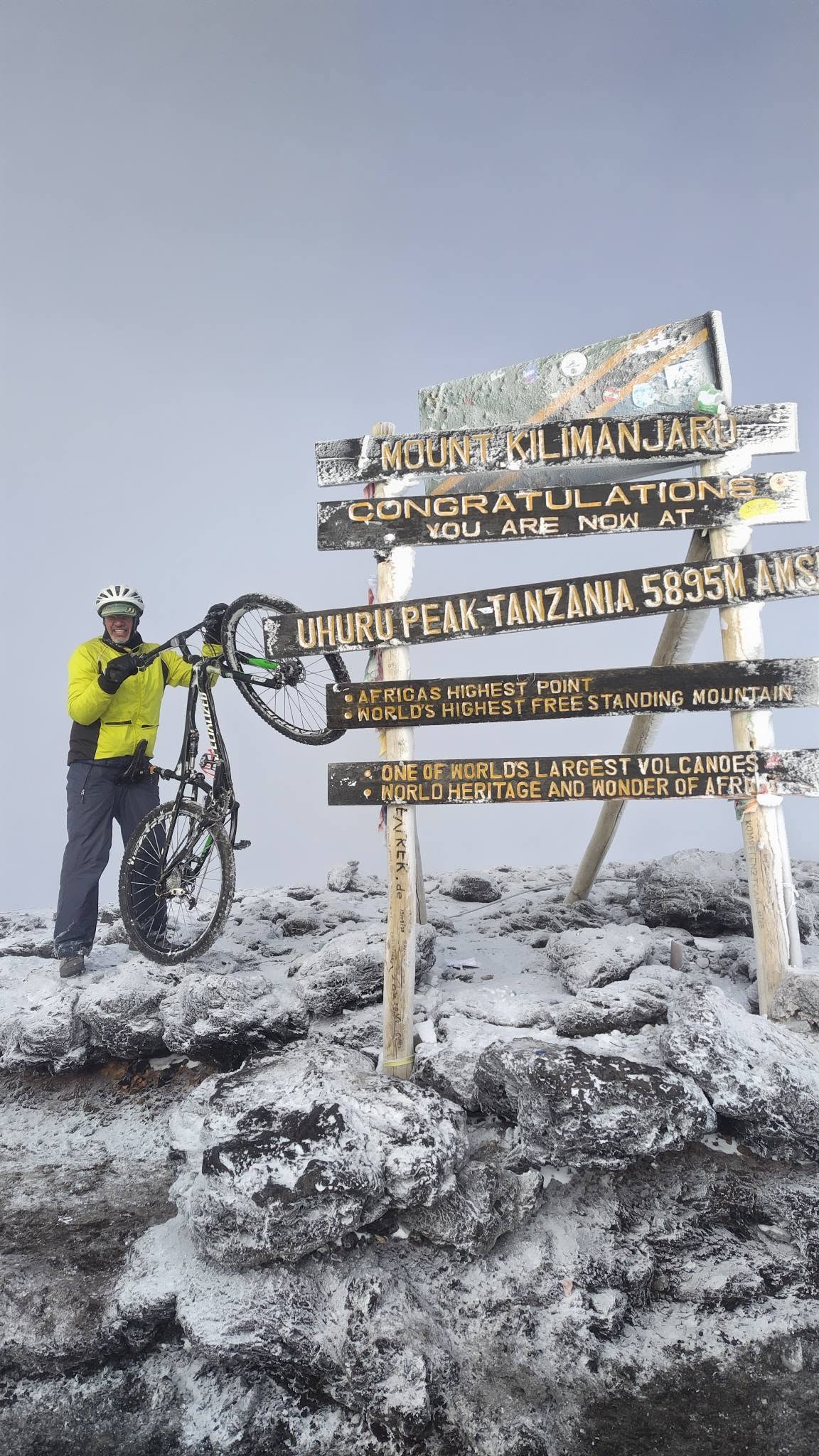
Kilimanjaro by Bike vs Hiking: The Ultimate Guide to Choosing Your Kilimanjaro Adventure
Introduction
When most people think about Mount Kilimanjaro, they imagine climbers trekking toward the summit under the stars, aiming to stand on the roof of Africa. While hiking to the summit remains one of the world’s most famous adventure experiences, there is another incredible way to discover the beauty of Kilimanjaro: by bicycle.
Cycling around Mount Kilimanjaro allows travelers to experience the mountain from a completely different perspective. Instead of focusing solely on reaching the summit, cyclists explore local villages, coffee farms, forests, wildlife corridors, and hidden trails while enjoying constant views of Africa’s highest mountain.
Both adventures are unforgettable, but they offer very different experiences.
This guide compares Kilimanjaro by bike versus hiking in detail, helping you decide which adventure best matches your travel style, fitness level, budget, and expectations.
Meet Mount Kilimanjaro
Located in northeastern Tanzania, Mount Kilimanjaro rises 5,895 meters (19,341 feet) above sea level, making it the tallest mountain in Africa and the highest free-standing mountain in the world.
The mountain consists of three volcanic cones:
Kibo
Mawenzi
Shira
Kilimanjaro is famous for its ecological diversity. Within a single journey visitors may encounter:
- Tropical rainforest
- Agricultural farmland
- Heath and moorland
- Alpine desert
- Arctic summit conditions
This diversity makes Kilimanjaro one of the most unique adventure destinations on Earth.
What Does Hiking Kilimanjaro Involve?
Hiking Kilimanjaro means trekking to the summit, known as:
Uhuru Peak
The climb usually takes between 5 and 9 days depending on the chosen route.
Popular routes include:
Machame Route
Often called the “Whiskey Route,” Machame is known for scenic landscapes and excellent acclimatization opportunities.
Lemosho Route
One of the most beautiful routes with high summit success rates.
Marangu Route
Known as the “Coca-Cola Route,” featuring hut accommodation instead of camping.
Rongai Route
Approaches Kilimanjaro from the northern side near Kenya.
Northern Circuit
The longest route offering exceptional acclimatization and fewer crowds.
The primary goal of hiking is reaching the summit.
Everything during the climb is structured around altitude adaptation and summit success.
What Does Cycling Kilimanjaro Involve?
Cycling Kilimanjaro focuses on exploring the mountain rather than climbing it.
Bike tours may include:
- Forest trails
- Village roads
- Coffee farms
- Wildlife areas
- Scenic mountain viewpoints
- Cultural experiences
Instead of spending days ascending to one destination, cyclists discover different sides of Kilimanjaro every day.
Popular cycling experiences include:
Kilimanjaro 360 Bike Tour
A complete circumnavigation of the mountain.
Shira Plateau Bike Adventure
One of Tanzania’s most scenic mountain biking routes.
West Kilimanjaro Cycling Tour
Combines mountain views with wildlife and Maasai culture.
Family Bike Tours
Designed for travelers seeking active family adventures.
Main Difference between Hiking and Cycling
The biggest difference is simple:
Hiking Focuses on One Goal
Reach the summit.
Cycling Focuses on the Journey
Explore the mountain, people, culture, and landscapes surrounding Kilimanjaro.
Many travelers say hiking is about achievement, while cycling is about discovery.
Fitness Requirements
Hiking Kilimanjaro
Climbing Kilimanjaro requires:
Good cardiovascular fitness
Mental determination
Ability to walk 6–12 hours daily
Ability to handle altitude
Even fit athletes can struggle due to reduced oxygen levels.
At nearly 6,000 meters, oxygen availability is approximately half of that at sea level.
Altitude—not fitness—is often the biggest challenge.
Cycling Kilimanjaro
Cycling requires:
Moderate fitness
Comfort riding a bicycle
Basic endurance
Most routes are supported by vehicles, making the experience accessible to a wider range of travelers.
Cyclists can ride at their own pace and enjoy regular breaks.
Altitude Challenge
Hiking
Altitude sickness is one of the biggest risks.
Common symptoms include:
- Headaches
- Nausea
- Dizziness
- Fatigue
- Sleep disturbances
NOTE: Every climber is affected differently.
No amount of fitness guarantees protection.
Cycling
Most cycling routes remain well below dangerous altitude levels.
Benefits include:
Better sleep
More energy
Reduced physical stress
Lower health risks
Many travelers who are concerned about altitude prefer cycling.
Cultural Experiences
One area where cycling clearly stands out is cultural immersion.
Hiking Experience
Most climbing routes stay inside protected park boundaries.
Interactions are largely limited to:
Guides
Porters
Other climbers
Although rewarding, the cultural aspect is relatively limited.
Cycling Experience
Cyclists travel through communities daily.
Experiences may include:
Visiting Chagga Villages
Learn about one of Kilimanjaro’s most influential communities.
Coffee Tours
Explore local coffee farms and participate in traditional processing methods.
Local Markets
Observe everyday life and trade.
School Visits
Meet local students and learn about education initiatives.
Traditional Meals
Enjoy authentic Tanzanian cuisine.
Maasai Encounters
Discover the traditions of one of East Africa’s most iconic cultures.
These interactions create lasting memories beyond the mountain itself.
Scenery Comparison
Hiking Scenery
Hikers experience changing ecological zones.
Rainforest
Dense vegetation and monkey sightings.
Moorland
Unique plants found nowhere else.
Alpine Desert
Dramatic volcanic landscapes.
Summit Zone
Ice fields and glaciers.
The progression between zones is fascinating.
Cycling Scenery
Cyclists enjoy greater landscape variety.
Highlights often include:
Coffee plantations
Banana farms
Rural villages
Open plains
Acacia forests
Wildlife corridors
Waterfalls
Mountain viewpoints
Because cyclists cover more ground, they often see a wider variety of scenery.
Wildlife Encounters
Hiking
Wildlife sightings are generally limited.
You may see:
Colobus monkeys
Blue monkeys
Birds
Wildlife becomes sparse at higher elevations.
Cycling
Cyclists often travel through areas frequented by wildlife.
Possible sightings include:
- Giraffes
- Zebras
- Antelopes
- Monkeys
- Birds of prey
Particularly on West Kilimanjaro routes.
Cost Comparison
Hiking Costs
Expenses include:
Park fees
Rescue fees
Camping fees
Guides
Porters
Equipment
Meals
Summit climbs can represent a significant investment.
Cycling Costs
Bike tours typically include:
Guide
Bicycle
Helmet
Accommodation
Meals
Support vehicle
Many travelers find cycling offers excellent value due to the diversity of experiences included.
Environmental Impact
Cycling is one of the most sustainable forms of tourism.
Benefits include:
- Low carbon footprint
- Community tourism support
- Reduced environmental impact
- Direct local economic benefits
Responsible cycling tours help distribute tourism income beyond traditional climbing routes.
Family Travel
Families often find cycling more flexible.
Advantages include:
Adjustable distances
Easier logistics
More activities
Lower altitude risks
Greater cultural interaction
Children frequently enjoy cycling because every day offers something different.
Photography Opportunities
Hiking
Ideal for:
Summit sunrise photos
Glaciers
High-altitude landscapes
Dramatic trekking images
Cycling
Ideal for:
Cultural photography
Village life
Coffee farms
Scenic roads
Mountain panoramas
Daily interactions
Many photographers prefer cycling because of the diversity of subjects.
Why Choose a Kilimanjaro 360 Bike Tour?
A Kilimanjaro 360 Bike Tour offers one of the most complete Kilimanjaro experiences available.
Highlights include:
- Circumnavigating the entire mountain
- Exploring multiple ecosystems
- Visiting remote communities
- Enjoying constantly changing views
- Experiencing authentic local culture
Unlike climbers who see only one side of the mountain, cyclists experience Kilimanjaro from every angle.
Who Should Choose Hiking?
Choose hiking if:
Reaching Africa’s highest point is your dream
You enjoy trekking
You want a major physical challenge
You are comfortable with altitude
Summit achievement is important to you
Who Should Choose Cycling?
Choose cycling if:
You enjoy active travel
You want deeper cultural experiences
You prefer avoiding extreme altitude
You love mountain biking
You want diverse scenery
You travel with family
You seek a unique Kilimanjaro experience
Can You Combine Cycling and Hiking?
Absolutely.
Many visitors combine:
- Kilimanjaro Bike Tour
- Wildlife Safari
- Zanzibar Beach Holiday
Or:
- Kilimanjaro Climb
- Recovery Bike Tour
- Safari Extension
Combining activities creates a more complete Tanzanian adventure.
Why Book Your Kilimanjaro Cycling Adventure with Bicycle Trail Tanzania?
Bicycle Trail Tanzania specializes in authentic cycling experiences around Kilimanjaro and northern Tanzania.
Benefits include:
Experienced local guides
Carefully designed routes
Quality mountain bikes
Support vehicles
Community-focused tourism
Flexible itineraries
Family-friendly options
Every ride is designed to showcase the beauty, culture, and spirit of Tanzania beyond the typical tourist path.
Final Verdict: Bike or Hike?
There is no wrong choice.
If your dream is standing on the highest point in Africa, hiking Kilimanjaro is an extraordinary achievement.
If you want a deeper connection with local culture, broader landscapes, active exploration, and a unique perspective of the mountain, cycling around Kilimanjaro may be the better adventure.
Many travelers discover that while hikers conquer the mountain, cyclists truly discover it.
Ready to experience Kilimanjaro by bike?
Explore our Kilimanjaro cycling adventures and discover Tanzania one pedal stroke at a time with Bicycle Trail Tanzania.