Kilimanjaro Bike Climb: The Ultimate Guide to Cycling to the Roof of Africa
Experience Mount Kilimanjaro Like Never Before
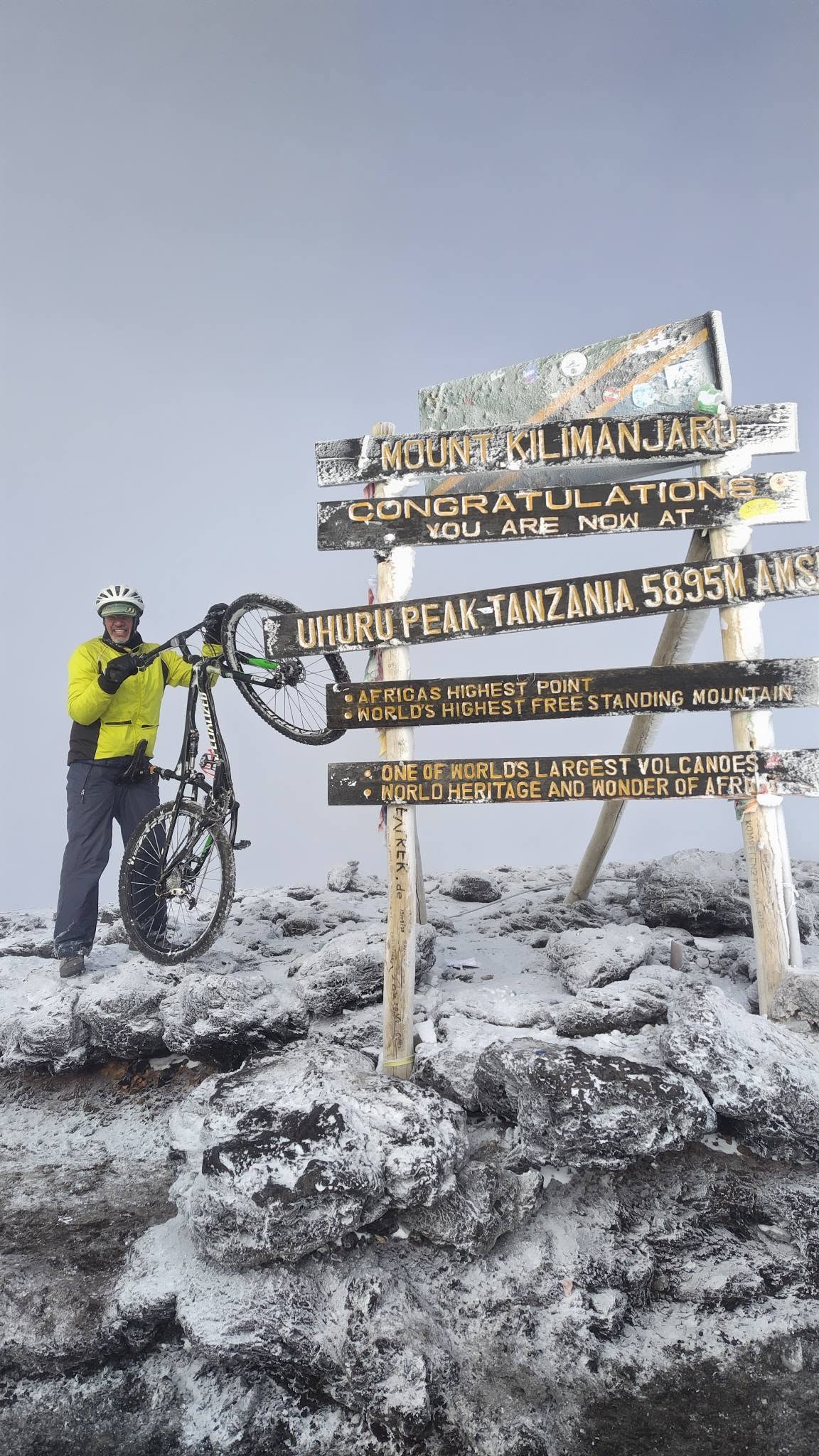
A Kilimanjaro Bike Climb is one of the most extraordinary adventure experiences in the world. While thousands of travelers climb Mount Kilimanjaro on foot every year, only a small number of adventurers attempt to conquer Africa’s highest mountain by bicycle. Combining mountain biking, high-altitude trekking, endurance, and breathtaking scenery, a Kilimanjaro cycling expedition offers a unique and unforgettable way to reach the famous Uhuru Peak at 5,895 meters (19,341 feet).
Mount Kilimanjaro is the highest mountain in Africa and the tallest free-standing mountain on Earth. Located in northern Tanzania, this iconic volcanic mountain attracts climbers from every corner of the globe. A bike climb on Kilimanjaro takes the challenge to an entirely new level, allowing riders to experience the mountain’s changing ecosystems, diverse landscapes, and physical demands from the saddle of a mountain bike.
Whether you are an experienced mountain biker looking for your next great challenge or an adventure traveler seeking a unique way to summit Africa’s highest peak, a Kilimanjaro bike climb is an experience unlike any other.
Why Choose a Kilimanjaro Bike Climb?
Most visitors climb Kilimanjaro on foot, but cycling the mountain offers a completely different adventure. Riding through rainforest trails, alpine deserts, and volcanic landscapes creates a thrilling sense of exploration and achievement.
Unique Adventure
A bike climb on Kilimanjaro is far less common than traditional trekking. Completing the journey by bicycle places you among a select group of adventurers who have experienced the mountain in this extraordinary way.
Ultimate Physical Challenge
Cycling at high altitude requires strength, stamina, mental determination, and technical riding skills. Riders face long climbs, rocky terrain, changing weather conditions, and reduced oxygen levels.
Spectacular Landscapes
The route passes through several ecological zones, each offering dramatically different scenery:
- Cultivated farmlands
- Tropical rainforest
- Heath and moorland
- Alpine desert
- Arctic summit zone
Every day presents new landscapes and unforgettable views.
Greater Sense of Achievement
Reaching Uhuru Peak with a bicycle is considered one of the world’s most impressive mountain biking accomplishments.
Mount Kilimanjaro Overview
Mount Kilimanjaro is located in northeastern Tanzania near the Kenyan border. The mountain is part of Kilimanjaro National Park, a UNESCO World Heritage Site renowned for its natural beauty and ecological significance.
Key Facts
Country: Tanzania
Height: 5,895 meters (19,341 feet)
Highest Point: Uhuru Peak
Mountain Type: Dormant Volcano
UNESCO World Heritage Site
Tallest Mountain in Africa
Highest Free-Standing Mountain in the World
Kilimanjaro consists of three volcanic cones:
Kibo
Kibo is the highest and youngest volcanic cone and contains Uhuru Peak.
Mawenzi
Mawenzi is a rugged volcanic peak characterized by dramatic cliffs and sharp ridges.
Shira
Shira is the oldest cone and forms a large plateau on the western side of the mountain.
The History of Cycling on Kilimanjaro
Mountain biking on Kilimanjaro is a relatively recent adventure activity. Tanzania National Parks (TANAPA) officially approved mountain biking on designated routes to promote adventure tourism while minimizing environmental impact.
The Kilema Route became the primary route for mountain biking because its wider trails and gradual gradients are more suitable for bicycles.
Today, Kilimanjaro is recognized as one of the most prestigious high-altitude mountain biking destinations in the world.
Can You Really Bike to the Summit of Kilimanjaro?
Yes, but there are limitations.
While large sections of the route can be ridden, certain steep and rocky sections near the summit may require riders to push or carry their bikes. Conditions vary depending on weather, trail conditions, and rider ability.
The goal is to reach Uhuru Peak with your bicycle while riding as much of the route as possible.
Professional guides help determine which sections are safe and rideable.
Kilimanjaro Ecosystems
One of the most fascinating aspects of climbing Kilimanjaro is passing through multiple ecological zones in just a few days.
Cultivation Zone
Elevation: 800–1,800 meters
This area surrounds the mountain and is home to local Chagga communities. Banana plantations, coffee farms, and small villages dominate the landscape.
Highlights
Traditional villages
Coffee plantations
Agricultural landscapes
Local culture
Rainforest Zone
Elevation: 1,800–2,800 meters
The rainforest is lush, humid, and rich in biodiversity.
Wildlife
Black-and-white colobus monkeys
Blue monkeys
Bush babies
Various bird species
Vegetation
Giant ferns
Moss-covered trees
Tropical plants
Indigenous forest species
Heath and Moorland Zone
Elevation: 2,800–4,000 meters
This zone offers expansive views and unique vegetation.
Features
Giant groundsels
Giant lobelias
Open landscapes
Mountain views
Temperatures become cooler, and the air becomes noticeably thinner.
Alpine Desert Zone
Elevation: 4,000–5,000 meters
The landscape becomes dry and barren.
Characteristics
Volcanic rock formations
Sparse vegetation
Intense sunlight
Cold nights
Many riders find this section mentally challenging due to the harsh environment and altitude.
Arctic Summit Zone
Elevation: Above 5,000 meters
This is the final section leading to Uhuru Peak.
Conditions
Freezing temperatures
Strong winds
Thin air
Glacial remnants
The summit zone provides some of the most spectacular sunrise views in Africa.
Best Route for a Kilimanjaro Bike Climb
Kilema Route
The Kilema Route is currently the preferred and officially recognized route for mountain biking on Kilimanjaro.
Advantages
Gradual ascent
Rideable terrain
Scenic landscapes
Better acclimatization opportunities
High summit success rates
The route shares portions of the Marangu Route while providing suitable access for bicycles.
Detailed 6-Day Kilimanjaro Bike Climb Itinerary
Day 1: Moshi to Kilema Gate and Ride to Horombo Hut
Elevation
1,950m to 3,720m
Distance
Approximately 20 km
After breakfast in Moshi, transfer to Kilema Gate for registration and a final equipment check.
The ride begins through dense rainforest where riders encounter towering trees, birdlife, and occasional monkey sightings.
As the climb continues, the landscape gradually changes into heath and moorland.
Highlights
Rainforest riding
First high-altitude experience
Beautiful scenery
Wildlife sightings
Accommodation
Horombo Hut
Meals
Breakfast, Lunch, Dinner
Day 2: Acclimatization Ride around Horombo
Acclimatization is essential for increasing summit success rates.
A shorter ride around Horombo allows participants to adapt to the altitude while enjoying panoramic views of Kibo and Mawenzi.
Activities
Technical riding practice
Altitude adaptation
Photography opportunities
Rest and recovery
Accommodation
Horombo Hut
Day 3: Horombo Hut to Kibo Hut
Elevation
3,720m to 4,703m
Distance
Approximately 10 km
This section enters the alpine desert zone.
The terrain becomes increasingly rocky and barren.
Riders enjoy incredible views of the surrounding volcanic landscape while steadily climbing toward Kibo Hut.
Highlights
Volcanic scenery
High-altitude riding
Spectacular mountain views
Accommodation
Kibo Hut
Early dinner and rest before summit day.
Day 4: Summit Day – Kibo Hut to Uhuru Peak
Elevation
4,703m to 5,895m
This is the most challenging day of the expedition.
The ascent begins shortly after midnight.
Riders proceed slowly toward Gilman’s Point and Stella Point.
Depending on trail conditions, portions of the route may require pushing or carrying bicycles.
As the sun rises over Africa, climbers continue toward Uhuru Peak.
Standing at the highest point in Africa with your bicycle is an unforgettable achievement.
Highlights
Midnight ascent
Sunrise above the clouds
Gilman’s Point
Stella Point
Uhuru Peak
After summit celebrations and photographs, descend back to Horombo Hut.
Accommodation
Horombo Hut
Day 5: Horombo Hut to Kilema Gate
This day offers one of the most enjoyable mountain biking descents in Tanzania.
Riders descend through moorland and rainforest zones back to the park gate.
Highlights
Long downhill ride
Rainforest scenery
Celebration at the gate
Transfer back to Moshi.
Accommodation
Hotel in Moshi
Day 6: Departure
Depending on flight schedules, guests can enjoy free time in Moshi before airport transfers.
Difficulty Level
Is a Kilimanjaro Bike Climb Difficult?
Yes.
This adventure is considered extremely challenging due to:
High altitude
Long climbs
Technical terrain
Weather changes
Physical demands
Participants should have prior mountain biking experience and good physical fitness.
Training for a Kilimanjaro Bike Climb
Preparation should begin at least three months before departure.
Recommended Training
Endurance Training
Long-distance cycling
Weekly rides of 40–100 km
Hill Training
Repeated climbs
Mountain rides
Strength Training
Squats
Lunges
Core exercises
Cardiovascular Fitness
Running
Swimming
Rowing
Altitude Preparation
If possible, train at higher elevations before arriving in Tanzania.
Altitude and Acclimatization
Altitude is often the biggest challenge on Kilimanjaro.
Common Symptoms
Headaches
Nausea
Dizziness
Fatigue
Loss of appetite
Prevention
Climb slowly
Drink plenty of water
Eat regularly
Take acclimatization days
Follow guide instructions
Essential Equipment
Bicycle Equipment
Mountain bike
Helmet
Spare tubes
Repair kit
Multi-tool
Water bottles
Clothing
Moisture-wicking base layers
Insulated jacket
Waterproof jacket
Waterproof trousers
Thermal gloves
Warm hat
Personal Gear
Sunglasses
Sunscreen
Headlamp
Energy snacks
Camera
Sleeping bag
Safety Measures
Professional guides continuously monitor participants throughout the expedition.
Safety Equipment
First aid kits
Oxygen cylinders
Pulse oximeters
Emergency communication devices
Emergency Procedures
Trained mountain rescue staff
Evacuation plans
Rapid descent options
Safety is always the highest priority.
Best Time to Climb Kilimanjaro by Bike
January to March
Advantages
Less crowded
Mild temperatures
Beautiful scenery
June to October
Advantages
Dry conditions
Excellent visibility
Stable weather
These periods generally offer the best riding conditions.
Responsible Tourism
A Kilimanjaro bike climb supports local communities through employment opportunities for:
Guides
Porters
Mechanics
Drivers
Accommodation providers
Responsible tourism also contributes to conservation efforts within Kilimanjaro National Park.
Why Choose Bicycle Trail Tanzania?
Local Expertise
Our team has extensive experience organizing cycling adventures throughout Tanzania.
Professional Guides
Experienced mountain guides and cycling specialists ensure your safety and enjoyment.
Quality Equipment
Well-maintained bicycles and support equipment.
Personalized Service
Small groups and customized itineraries.
Commitment to Safety
Comprehensive safety procedures and emergency support.
Frequently Asked Questions
Do I need previous mountain biking experience?
Yes. Riders should be comfortable handling mountain bikes on uneven terrain.
How fit should I be?
Good physical fitness and endurance are essential.
Can I rent a bike?
Yes. Quality mountain bikes are available for rent.
Is altitude sickness common?
Altitude affects everyone differently, but proper acclimatization significantly improves success rates.
What happens if I cannot continue?
Guides will assess your condition and arrange a safe descent if necessary.
Can beginners join?
This adventure is recommended for experienced cyclists.
How many days should I spend on the mountain?
Six or seven days are generally recommended for better acclimatization and summit success.
Book Your Kilimanjaro Bike Climb Today
Cycling Mount Kilimanjaro is one of the greatest mountain biking adventures on Earth. From lush rainforest trails to the icy summit of Africa’s highest mountain, every stage of the journey delivers unforgettable experiences, breathtaking landscapes, and an immense sense of accomplishment.
Whether you are an avid cyclist, endurance athlete, or adventure traveler seeking a unique challenge, a Kilimanjaro Bike Climb offers the opportunity to achieve something truly extraordinary.
Join Bicycle Trail Tanzania and experience the thrill of reaching the Roof of Africa on two wheels. Contact us today to start planning your Kilimanjaro Bike Climb adventure and create memories that will last a lifetime.