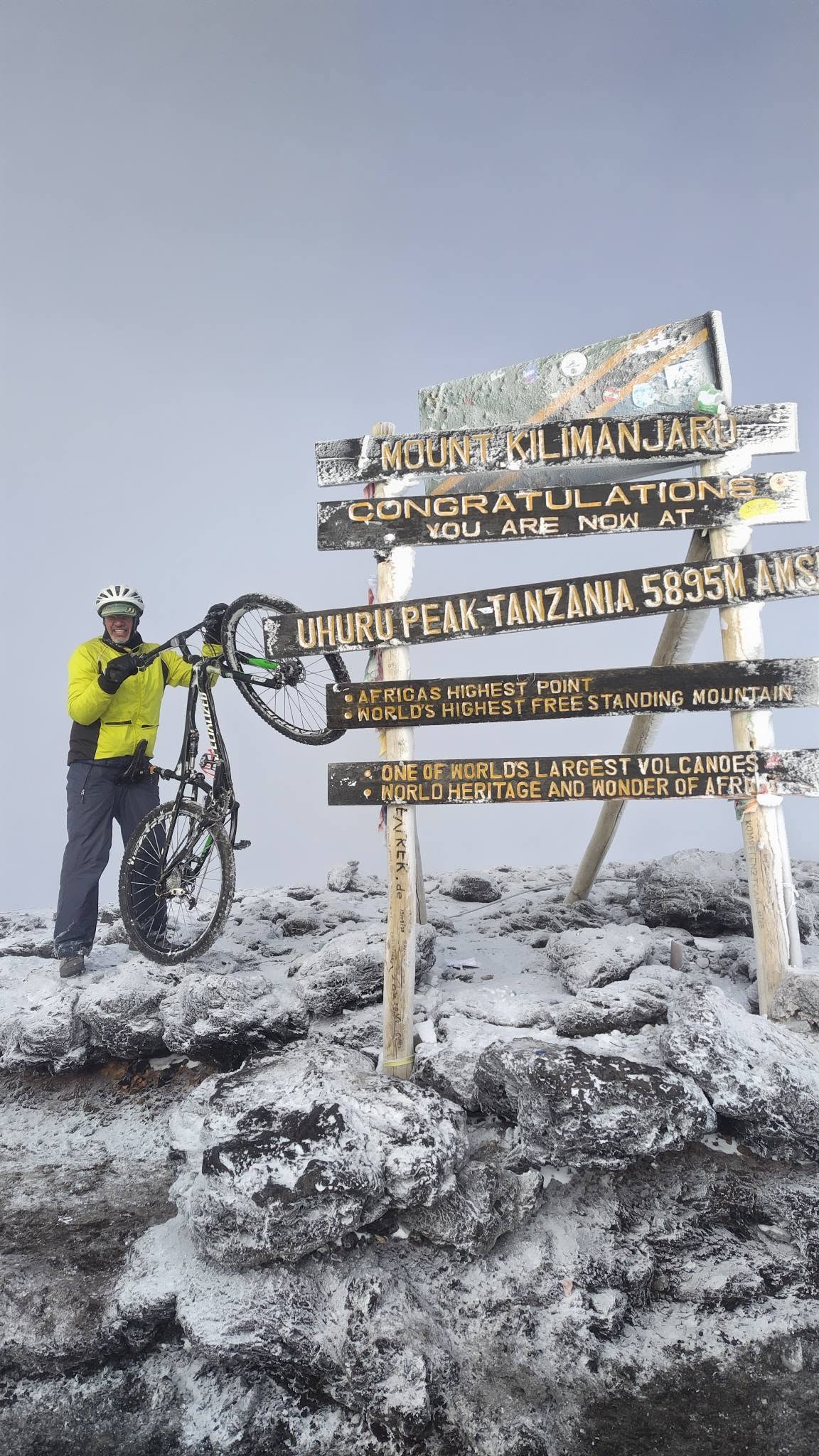
Cycling from Mount Kilimanjaro to the Indian Ocean
An Epic Cross‑Country Bicycle Adventure in Tanzania
Imagine starting your ride in the cool foothills of Mount Kilimanjaro, Africa’s highest peak, and pedaling all the way to the warm, palm‑lined shores of the Indian Ocean. This is not just a cycling trip—it’s a journey across cultures, landscapes, climates, and centuries of history. Cycling from Kilimanjaro to the Indian Ocean is one of Tanzania’s most rewarding long‑distance bike adventures, combining mountain views, rural village life, wildlife corridors, and coastal Swahili culture into one unforgettable experience.
This page is a complete guide and inspiration for cyclists seeking a true African expedition on two wheels. Whether you are a seasoned bikepacker or an adventurous traveler looking for a supported tour, this route delivers challenge, beauty, and deep connection with local life.
Overview of the Kilimanjaro to Indian Ocean Cycling Route
Start point: Moshi or Marangu (Mount Kilimanjaro region)
End point: Bagamoyo, Pangani, or Dar es Salaam (Indian Ocean coast)
Total distance: Approx. 600–800 km (depending on route)
Duration: 10–18 days
Terrain: Tarmac roads, gravel, dirt tracks, rural paths
Difficulty: Moderate to challenging
Best time to ride: June–October & January–February
This route takes you from the fertile volcanic soils of Kilimanjaro through Maasai lands, wildlife-rich lowlands, traditional farming communities, historic caravan towns, and finally to the turquoise waters of the Indian Ocean.
Why Cycle from Kilimanjaro to the Indian Ocean?
1. A True Point‑to‑Point Adventure
Unlike loop rides, this journey feels like a real expedition. Every pedal stroke takes you closer to the ocean, with changing scenery and climate reinforcing the sense of progress and achievement.
2. Diverse Landscapes in One Trip
Few cycling routes in Africa offer such dramatic transitions:
Snow‑capped Kilimanjaro views
Coffee and banana plantations
Dry savannah and acacia plains
River valleys and wetlands
Tropical coastline and beaches
3. Deep Cultural Immersion
Cycling through Tanzania allows you to interact closely with local communities—Chagga, Pare, Maasai, Sambaa, Zigua, and Swahili people—each with unique traditions, food, and stories.
4. Wildlife Beyond the Safari Vehicle
You may spot giraffes, zebras, monkeys, antelope, and countless bird species while riding near protected areas and wildlife corridors—an entirely different perspective than traditional safaris.
Suggested Cycling Itinerary: Kilimanjaro to the Indian Ocean
Day 1: Arrival in Moshi – Kilimanjaro Foothills
Arrive in Moshi town beneath Mount Kilimanjaro. Bike fitting, equipment checks, and a short acclimatization ride through coffee farms and local villages. Overnight in a lodge with mountain views.
Day 2: Moshi to TPC Sugarcane & Rau Forest
Cycle through Moshi villages, passing banana farms, irrigation canals, and the iconic TPC sugarcane plantations. Ride into the shady Rau Forest, home to monkeys and birdlife.
Day 3: Moshi to Pare Mountains
Leave Kilimanjaro behind as you head south‑east toward the Pare Mountains. Rolling terrain, quiet roads, and welcoming villages define the day.
Day 4: Pare Mountains to Same Town
A rewarding descent into the lowlands with expansive views. Same is a lively town and an important stop for rest, supplies, and cultural interaction.
Day 5: Same to Mkomazi Area
Ride along the edge of Mkomazi National Park. The landscape becomes drier and more open, with chances to spot wildlife from a distance.
Day 6: Same to Korogwe
Long but scenic ride through rural Tanga Region. Expect friendly waves from locals and curious children cheering you on.
Day 7: Korogwe to Magoroto / Usambara Foothills
Optional climb toward the Usambara foothills, known for biodiversity and cool temperatures. A challenging but rewarding cycling day.
Day 8: Usambara Area to Pangani River
Descend toward the Pangani River basin, cycling through coconut palms, rice fields, and fishing villages.
Day 9: Pangani to Indian Ocean Coast
Final ride to the coast. The smell of salt air, the sound of waves, and palm‑lined beaches signal the end of the journey.
Day 10+: Beach Relaxation or Extension
Relax on the beach, enjoy fresh seafood, explore historic Pangani or Bagamoyo, or extend your trip to Zanzibar.
Terrain & Road Conditions
Cycling from Kilimanjaro to the Indian Ocean is varied and engaging:
Tarmac roads: Major connecting routes and towns
Gravel roads: Rural areas and farmland
Dirt tracks: Village shortcuts and scenic backroads
Elevation: Net descent overall, with rolling hills and occasional climbs
A gravel bike or hardtail mountain bike is ideal, though experienced riders can complete sections on touring bikes.
Best Time to Cycle Kilimanjaro to the Coast
Dry season (June–October): Best weather, cooler temperatures, minimal rain
Short dry season (January–February): Hotter but still excellent riding
Avoid long rains (March–May) due to muddy roads and difficult river crossings.
Accommodation Along the Route
Accommodation options vary by region and budget:
Lodges and hotels in Moshi, Same, Korogwe
Guesthouses in rural towns
Eco‑lodges near forests and rivers
Beach resorts and lodges on the coast
Camping is possible in some areas, especially with support vehicles.
Food, Water & Supplies
Fresh fruits: bananas, mangoes, oranges, pineapples
Local meals: rice, beans, ugali, chapati, fish
Clean drinking water available in towns (treated or bottled)
Support vehicles or local shops can resupply regularly.
Guided vs Self‑Supported Cycling
Guided Cycling Tour
Local guides with route knowledge
Support vehicle for luggage and emergencies
Pre‑booked accommodation
Cultural interpretation and safety
Self‑Supported Bike-packing
Greater independence
Requires strong navigation skills
Camping or guesthouse planning essential
For most international travelers, a guided or semi‑supported tour offers the best balance of adventure and comfort.
Safety & Practical Tips
Wear bright cycling clothing
Respect local customs and dress modestly in villages
Learn basic Swahili phrases
Carry cash for small towns
Use sunscreen and stay hydrated
Tanzania is generally safe and welcoming, especially for cyclists traveling with local guides.
Combine Cycling with Other Adventures
This journey pairs perfectly with:
Mount Kilimanjaro climb before cycling
Safari extension to Tarangire or Mkomazi
Zanzibar beach holiday after reaching the coast
It’s the ultimate Tanzania multi‑adventure.
Who Is This Trip For?
Adventure cyclists seeking a long‑distance challenge
Travelers wanting authentic cultural experiences
Bikepackers exploring East Africa
Small groups, couples, or solo riders
Why Book This Journey with a Local Operator?
Choosing a local Tanzania cycling company means:
Expert local knowledge
Support for community tourism
Flexible itineraries
Authentic experiences off the beaten path
Start Your Kilimanjaro to Indian Ocean Cycling Adventure
Cycling from Mount Kilimanjaro to the Indian Ocean is more than a ride—it’s a life‑affirming journey across Tanzania’s heart. From volcanic highlands to coral beaches, every day brings new discoveries, friendships, and stories to tell.
Ready to ride from Africa’s highest peak to the sea?
Contact us today to customize your Kilimanjaro to Indian Ocean cycling adventure and turn this dream route into reality.