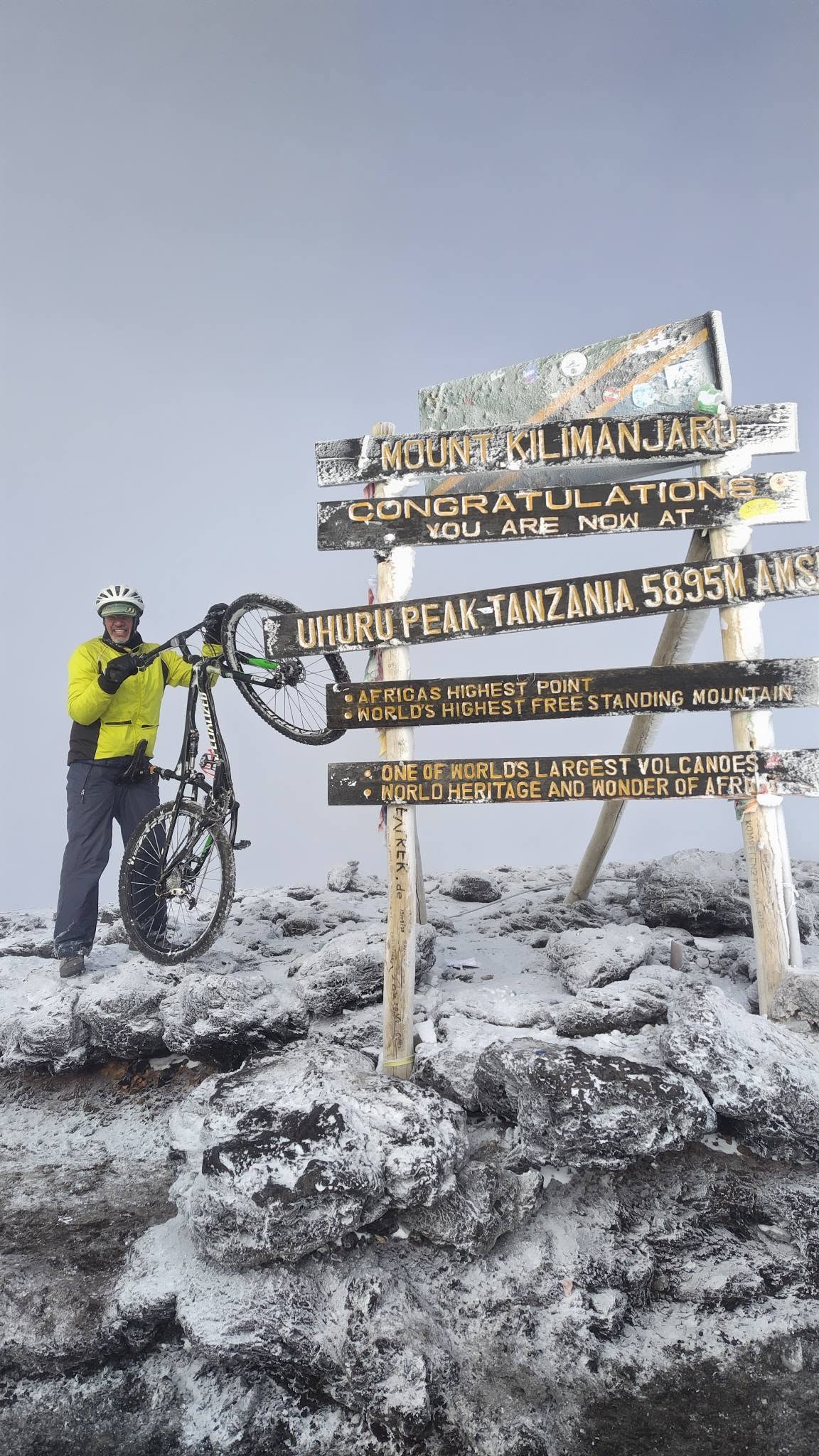
Tanzania Cycling Tour: Ultimate Guide 2026–2027
Discover Tanzania On Two Wheels
Tanzania is not simply a destination you visit it is a country you feel with every sense. The scent of fertile soil after morning rain, the distant sound of goats bells in village paths, the golden light touching the slopes of Mount Kilimanjaro, and the warm smiles of people you pass along the road all combine into an experience that stays with you long after your journey ends.
In 2026–2027, Tanzania is emerging as one of Africa’s most exciting cycling destinations. While safaris and mountain trekking remain iconic, cycling has become the most immersive way to explore the country. Unlike vehicles that separate you from the environment, cycling places you directly inside it. You are not watching Tanzania from a window you are part of it.
From the lush agricultural lands of Kilimanjaro to the sweeping plains of the Great Rift Valley and the turquoise coastline of Zanzibar, cycling in Tanzania offers unmatched diversity. Every kilometer reveals a new landscape, a new story, and a new encounter.
Whether you are a first-time cyclist or a seasoned endurance rider, Tanzania offers routes that match your ability, curiosity, and sense of adventure.
Why Choose Tanzania for a Cycling Tour?
A Landscape That Changes With Every Turn
One of the most remarkable aspects of cycling in Tanzania is how dramatically the environment shifts within short distances. A single day ride can begin in dense green farmlands and end in open savannah landscapes stretching endlessly toward the horizon.
In the Kilimanjaro region, you cycle through rich volcanic soil where banana trees grow beside coffee bushes. The air is cool and fresh, and small irrigation canals carved by the Chagga people run alongside the trails.
Further out, the landscape opens into dry savannah where acacia trees stand-alone like silhouettes against the sky. Here, wildlife such as giraffes or zebras may appear in the distance, moving slowly across the plains.
On the coast and in Zanzibar, the scenery transforms again palm trees sway in ocean breezes, fishing boats line the shore, and the air carries the scent of salt and spices.
Few countries in the world offer such dramatic variety in one cycling journey.
Deep Cultural Immersion Along the Way
Cycling in Tanzania naturally brings you closer to people and daily life. Without the barrier of glass or speed, interactions become spontaneous and genuine.
As you pass through villages, children often run alongside the bike laughing and greeting you with “Jambo!” Farmers pause their work to wave. Elderly residents sit under mango trees observing the rhythm of life as it unfolds.
You may stop to visit a Chagga coffee farm, where families explain how coffee is grown, harvested, roasted, and brewed using traditional methods passed down through generations. The aroma of freshly ground beans fills the air as you sit and listen to stories of mountain life.
In Maasai communities, riders may be welcomed into traditional bomas. Here, you learn about cattle herding, cultural identity, and the importance of livestock in daily life. Colorful beadwork, singing, and dance create unforgettable cultural encounters.
These are not staged performances they are real moments of connection.
Wildlife Encounters Beyond National Parks
Although cycling is not done inside major national parks, Tanzania’s wildlife does not stay behind fences. On many rural routes, nature is part of the journey.
It is common to see giraffes moving gracefully near woodland edges or zebras grazing in open fields. Blue monkeys jump between trees in forested areas, while birds of extraordinary color and sound fill the skies.
The experience is different from a safari vehicle. There is no engine noise—only the sound of your tires on the road, wind passing through trees, and the natural rhythm of the land. Wildlife sightings feel more personal, more unexpected, and often more memorable.
A Destination for Every Cyclist
Tanzania is not limited to elite athletes. Its cycling routes are designed for all levels of fitness and experience.
Beginners enjoy relaxed village rides with gentle terrain and frequent stops. Intermediate cyclists explore rolling hills and longer distances. Advanced riders take on challenging climbs, high-altitude routes, and multi-day endurance journeys.
Support vehicles accompany most tours, meaning riders can rest, hydrate, or skip sections when needed without missing the overall experience.
Cycling Regions of Tanzania
Northern Tanzania – Kilimanjaro & Arusha
This is the heart of Tanzania’s cycling tourism. The region combines mountain views, fertile farmland, and vibrant cultural life.
Cycling here means riding beneath the towering presence of Mount Kilimanjaro, Africa’s highest peak. The mountain is visible almost everywhere, often appearing dramatically through clouds in the early morning or glowing orange during sunset.
Routes pass through banana plantations, coffee estates, and small villages where daily life unfolds slowly and peacefully. The terrain varies from smooth roads to gentle climbs, making it ideal for both beginners and intermediate riders.
Arusha adds a more urban contrast, offering markets, craft shops, and cultural centers before heading into surrounding rural landscapes.
The Great Rift Valley
The Great Rift Valley is one of Earth’s most dramatic geological features, and cycling here feels like riding through a living landscape shaped by time itself.
The terrain includes long climbs, escarpment viewpoints, and wide open spaces that stretch toward distant lakes. The wind can be strong here, but the views are equally powerful.
From certain viewpoints, cyclists can see vast plains below where wildlife roams freely. The sense of scale is immense, reminding riders of the raw natural forces that shaped the region.
West Kilimanjaro Wilderness
This is a more remote and adventurous region, ideal for experienced cyclists seeking solitude and untouched landscapes.
Here, the land opens into vast plains where Maasai herders guide cattle across the horizon. Dusty trails lead through acacia woodland, and wildlife sightings become more frequent.
The silence in this region is striking—only wind, footsteps, and distant animal calls accompany your ride.
Zanzibar Coast & Islands
Zanzibar offers a completely different cycling atmosphere slow, warm, and deeply relaxing.
Riders follow coastal roads where the Indian Ocean stretches endlessly beside them. Fishing villages, coconut plantations, and spice farms create a sensory-rich environment.
Stone Town adds historical depth, with narrow alleys, carved wooden doors, and centuries of Swahili-Arab culture.
Cycling here is less about distance and more about experience, rhythm, and atmosphere.
Types of Cycling Experiences
Day tours are perfect for travelers with limited time or those who want a gentle introduction to cycling in Tanzania.
These rides typically include village visits, waterfall stops, coffee farm tours, and cultural interactions. Distances are manageable, and the focus is on experience rather than endurance.
Popular options include:
- Village cycling tours around Moshi
- Waterfall and coffee tours
- Chemka Hot Springs ride
- Local market and cultural rides
These tours typically range from 15 to 60 kilometers and are suitable for beginners and families.
Multi-Day Cycling Expeditions
Multi-day tours allow travelers to deeply explore Tanzania’s landscapes over several days. Each day brings a new route, new scenery, and new cultural experiences.
Evenings are spent in eco-lodges, camps, or mountain guesthouses where riders relax, enjoy local meals, and prepare for the next day’s journey.
Cycling safaris combine physical adventure with wildlife exploration. Riders travel near conservation areas and wildlife corridors while also enjoying traditional safari drives in key locations.
These tours are ideal for travelers who want both active exploration and classic wildlife experiences.
Cycling around Kilimanjaro offers one of the most scenic mountain experiences in Africa.
Riders pass through forests, farmland, and foothill villages. The air becomes cooler as elevation increases, and views of the snow-capped summit appear unexpectedly through breaks in the clouds.
Zanzibar cycling focuses on coastal beauty and cultural heritage.
Routes include spice plantations, oceanfront paths, and historic Stone Town. The pace is relaxed, allowing riders to stop frequently for photography, food, and exploration.
Best Time for Cycling in Tanzania
Tanzania is a year-round destination, but conditions vary.
The dry seasons (June–October and January–February) offer the most stable riding conditions, with clear skies and firm roads.
The green season (March–May and November) brings lush landscapes, dramatic clouds, and fewer tourists, though occasional rain can make some routes muddy.
Each season offers a different kind of beauty.
Safety and Support
Cycling in Tanzania is safe when guided by experienced professionals. Tours typically include support vehicles, trained guides, and mechanical assistance.
Riders are always encouraged to wear helmets, stay hydrated, and follow guide instructions, especially in wildlife areas or remote terrain.
What to Expect on a Cycling Day
A typical day begins early with breakfast at sunrise. The morning ride is the most active part of the day, when temperatures are cooler and lighting is perfect for scenery.
Stops are made at villages, viewpoints, or farms. Lunch is often served outdoors or at a local lodge.
Afternoons are slower, allowing time for rest or optional short rides before reaching the evening accommodation.
Dinner is usually shared with the group, followed by storytelling, cultural discussions, or relaxation under the stars.
What to Pack
Cyclists should prepare for changing conditions.
Light, breathable clothing is essential for warm days, while a jacket is needed for cooler mornings in highland areas. Sunscreen, sunglasses, and hydration systems are important for long rides.
A camera is highly recommended—Tanzania offers countless photo opportunities.
Responsible Cycling Tourism
Cycling is one of the most sustainable ways to explore Tanzania. It produces minimal environmental impact while directly benefiting local communities.
Travelers are encouraged to support local businesses, respect cultural traditions, reduce plastic use, and engage responsibly with wildlife and natural areas.
Frequently Asked Questions
Is cycling in Tanzania safe?
Yes, especially when organized with professional guides and support teams.
Do I need to be very fit?
No. Tours are tailored to different fitness levels.
Can I combine cycling with a safari?
Yes, many tours include both cycling and wildlife experiences.
What type of bike is used?
Mountain bikes or gravel bikes are most commonly used.
Final Experience
A cycling tour in Tanzania is not simply about covering distance—it is about connection. It is about feeling the land beneath your wheels, hearing stories from people you meet along the way, and witnessing landscapes that shift from mountain to savannah to ocean.
Every ride becomes a memory shaped not only by where you go, but by how deeply you experience it.
Tanzania does not rush you. It invites you to slow down, breathe, and truly see the world around you.