Route Overview
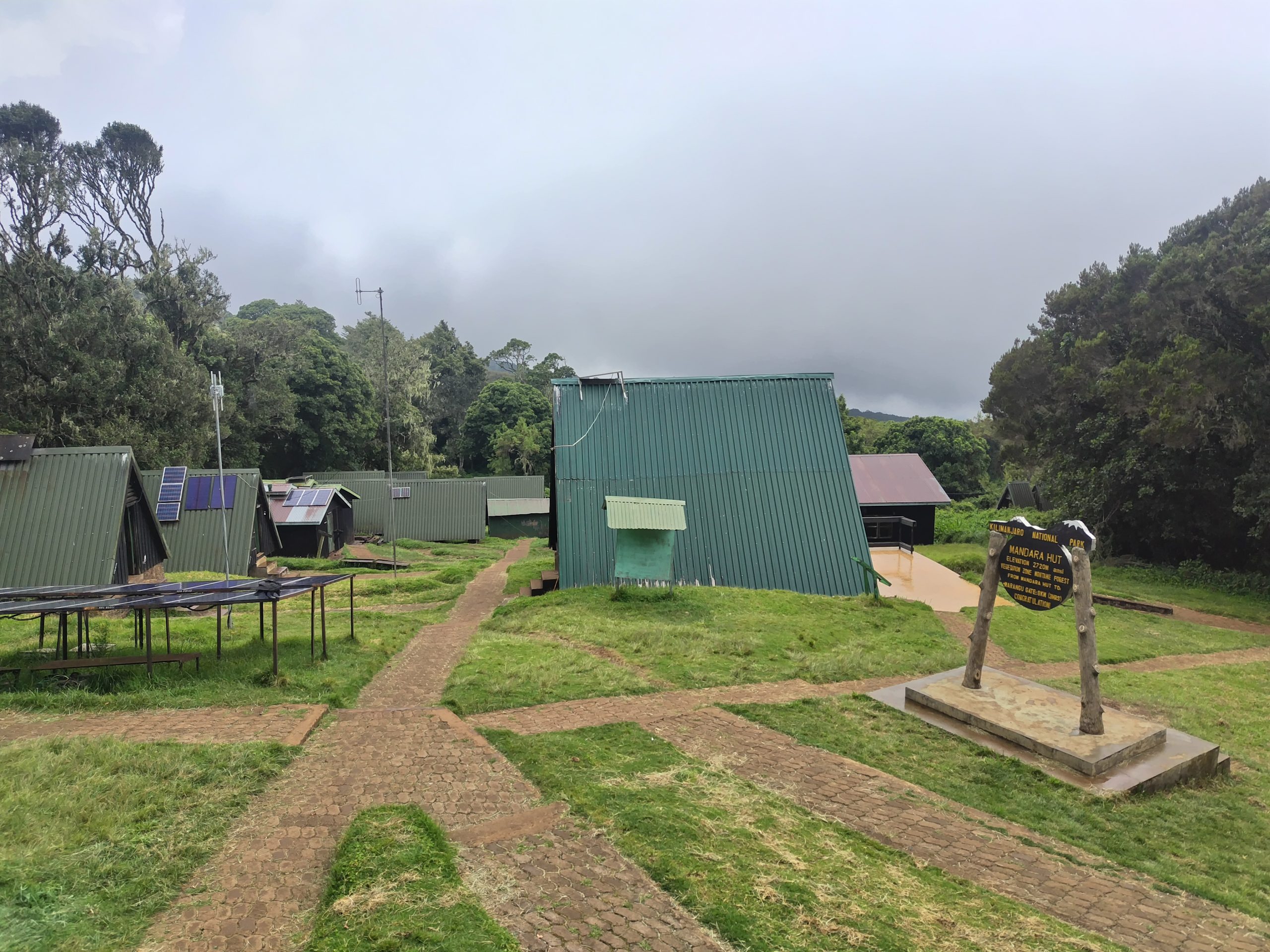
Lemosho starts in lush, fertile rainforest. It is the first ecological zone you encounter on Kilimanjaro (we will trek through four). The route heads up and across the Shira Plateau, which used to be Kilimanjaro’s third peak before it collapsed. Then, we make our way north to Moir Hut, which serves as a great acclimatization day due to short hikes than can be done in the nearby Lent Hills.
Next, we climb high up and over Lava Tower before dropping into Barranco Valley, one of the prettiest areas on the entire trail. We climb the intimidating Barranco Wall and then circle along the southern circuit to Karanga and high camp Barafu Hut.
The summit attempt is made from Barafu in the early morning hours, often during the full moon. This is the coldest, windiest section of your adventure. But once the sun comes up, so can most of your extra layers. After the summit, the descent follows the Mweka trail.
Route Itinerary
Introduction: Why the Lemosho Route is Perfect for 8 Days
The Lemosho Route is widely considered one of the most scenic and rewarding ways to summit Mount Kilimanjaro, Africa’s highest peak at 5,895 meters (19,341 ft). Unlike the busier Marangu or Machame routes, Lemosho offers:
Diverse landscapes: From dense rainforest to alpine desert
High summit success rates: Slow ascent allows better acclimatization
Tranquility: Less crowded, more private trekking experience
Unique wildlife and flora: Monkeys, rare birds, giant lobelias, and groundsels
Benefits of Climbing Lemosho in 8 Days
Gradual Ascent: Reduces risk of altitude sickness
Scenic Beauty: Views of Mawenzi and Kibo peaks
Eco-Friendly Trek: Follows conservation guidelines and supports local communities
Cultural Experience: Interactions with Chagga guides and porters
Detailed 8-Day Lemosho Itinerary
Day 1: Arrival and Transfer to Lemosho Gate (2,100 m)
Hiking Distance: 6 km
Duration: 3–4 hours
Terrain: Dense rainforest, moderate incline
Arrive at Moshi or Arusha airport. Meet your guide and trekking team for a gear check and briefing. Drive to Lemosho Gate (around 2 hours), register with Tanzania National Parks (TANAPA), and start your trek through lush montane forest.
Highlights:
- First encounter with African rainforest
- Unique flora: orchids, ferns, giant groundsel
- Spot vervet monkeys and exotic birds
- Overnight at Lemosho Glades
Tip: Carry 1–2 liters of water and light snacks for the first hike.
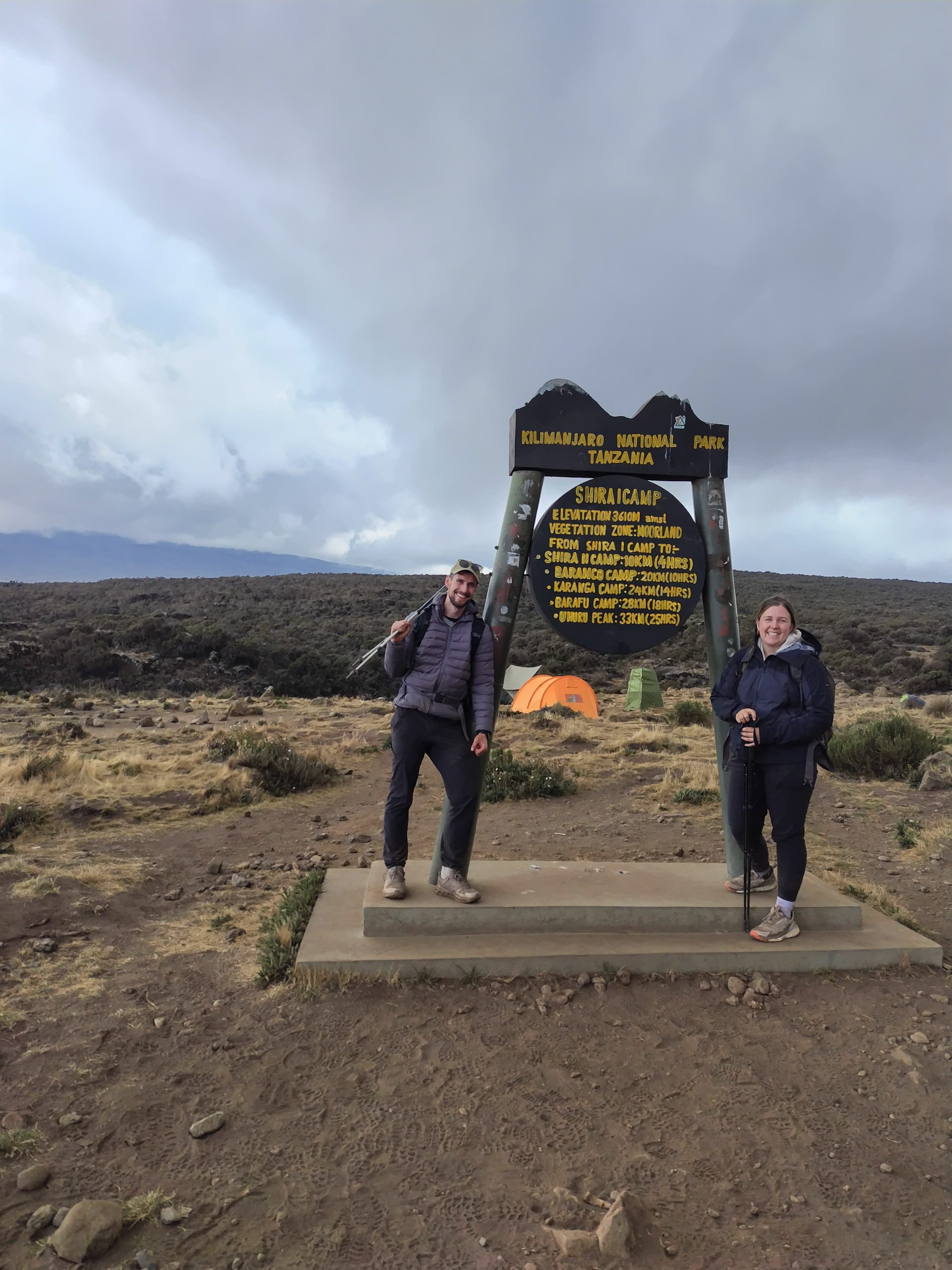
Day 2: Lemosho Glades to Shira 1 Camp (3,500 m)
Distance: 10 km
Duration: 5–6 hours
Terrain: Forest to open moorland
Trek gradually into open Shira Plateau, enjoying panoramic vistas of Kibo and Mawenzi. This stage is crucial for acclimatization and adjusting to higher altitudes.
Highlights:
- Transition from rainforest to heath and moorland
- Giant lobelias and unique alpine plants
- Sunset over plateau and distant glaciers
Camping: Tents at Shira 1 Camp, starlit skies, cold night temperatures (~5°C).
Day 3: Shira 1 Camp to Shira 2 Camp (3,850 m)
Distance: 8 km
Duration: 4–5 hours
Terrain: Plateau trekking, gentle inclines
Climb across the Shira Plateau, one of Kilimanjaro’s most scenic sections. The slow ascent improves your body’s tolerance to altitude.
Highlights:
Sweeping views of Kibo’s glaciers
Flora: giant groundsels, heathers, endemic plants
Photography opportunities for sunrise and sunset
Tip: Use trekking poles to reduce knee strain and conserve energy.
Day 4: Shira 2 Camp to Barranco Camp (3,950 m)
Distance: 12 km
Duration: 5–6 hours
Terrain: Open plateau to valley descent
Descend slightly to Barranco Camp, preparing for the iconic Barranco Wall. Trek through moorlands with occasional wildlife sightings.
Highlights:
- Close-up views of Kibo and Mawenzi peaks
- Scenic Barranco Valley
- Stunning flora and birdwatching opportunities
Camping: Tents with basic facilities, ~0°C at night.
Day 5: Barranco Camp to Karanga Camp (4,035 m)
Distance: 6 km
Duration: 5–6 hours
Terrain: Barranco Wall ascent and valley trek
Climb the famous Barranco Wall, an exposed but manageable rock face requiring caution. Descend gently to Karanga Camp, a short day to aid acclimatization.
Highlights:
- Barranco Wall climb (1–2 hours)
- Stunning valley views with glaciers in the background
- Practice “climb high, sleep low” for acclimatization
Tip: Go slow on the Barranco Wall and follow guides’ safety instructions.
Day 6: Karanga Camp to Barafu Camp (4,600 m)
Distance: 8 km
Duration: 4–5 hours
Terrain: Alpine desert, rocky paths
Trek through the alpine desert, observing sparse vegetation and dramatic lunar landscapes. Arrive at Barafu Camp, the base for your night summit attempt.
Highlights:
- Golden sunset over Kibo
- Glaciers visible from camp
- Preparation for midnight summit
Tip: Eat light but high-calorie meals, rest early, and dress in warm layers.
Day 7: Summit Day – Barafu to Uhuru Peak to Mweka Camp (5,895 m)
Distance: 12–14 km
Duration: 12–16 hours
Terrain: Steep ascent, rocky paths, alpine desert, crater rim
Start around midnight, trekking slowly in the dark. Reach Uhuru Peak by sunrise. Descend via Mweka Route to Mweka Camp.
Highlights:
- Sunrise at Uhuru Peak
- Panoramic views of glaciers, Mawenzi, and Kilimanjaro’s crater
- Unforgettable summit experience
Tips:
Use headlamps and trekking poles
Layer clothing to manage extreme temperature shifts (-10°C at summit, +10°C descending)
Stay hydrated with electrolyte solutions
Day 8: Mweka Camp to Mweka Gate & Departure (1,640 m)
Distance: 10 km
Duration: 3–4 hours
Terrain: Rainforest descent
Descend through tropical rainforest to Mweka Gate, complete paperwork, receive your summit certificate, and transfer back to Moshi/Arusha. Celebrate your achievement!
Highlights:
- Final forest trek
- Farewell to guides and porters
- Certificate of accomplishment
Gear and Packing Checklist
Essentials:
- Waterproof trekking boots
- Warm clothing layers, gloves, beanie, thermal socks
- Trekking poles
- Sleeping bag (-15°C rating)
- Headlamp with extra batteries
- Water bottles and hydration system
- Sunscreen, sunglasses, lip balm
- Snacks and energy bars
Optional:
- Camera, binoculars
- Lightweight travel towel
- Walking journal
Health & Fitness Preparation
Training: Hiking, cardio, stair climbing, and strength exercises 8–12 weeks before trek
Altitude Precautions: Climb slowly, hydrate, and recognize symptoms of Acute Mountain Sickness (AMS)
Medical Advice: Consult a doctor if you have heart or lung conditions
FAQs About the Lemosho Route
Q1: Best time to trek?
June–October and December–February for dry weather and clear skies.
Q2: Is it beginner-friendly?
Moderate fitness required; high summit success with acclimatization.
Q3: Barranco Wall difficulty?
Challenging but safe; no technical climbing experience needed.
Q4: Guide and porter requirements?
Mandatory; they ensure safety and support local economy.
Q5: Accommodation?
Camping tents at all camps; no permanent lodges on the route.
Local Insights and Tips
Support local communities: Buy souvenirs and hire certified guides.
Protect the environment: Follow Leave No Trace principles.
Capture memories: Sunrise and sunset photography at Shira Plateau and Barafu Camp.
Adjust pace: Walk slowly on steep sections to conserve energy and avoid altitude sickness.
Conclusion
The 8-day Lemosho Route offers a perfect blend of adventure, scenery, and summit success. With careful planning, proper gear, and acclimatization, you can safely reach Uhuru Peak and experience one of the most memorable treks of your life.
Schon der Startbildschirm von https://spinlines.org/ macht deutlich, dass hier mit viel Sorgfalt gearbeitet wurde. Die typografische Gestaltung sorgt für gute Lesbarkeit auch bei kleineren Textmengen. Spielautomaten verschiedenster Kategorien bilden das Rückgrat des Casinos und decken jeden Geschmack ab. Match-Boni mit bis zu 200 Prozent auf die Einzahlung sind in Sonderaktionen verfügbar. Tutorials und Videos im Hilfebereich erleichtern Einsteigern den Start. Die Plattform unterstützt auch Prepaid-Lösungen wie ecoVoucher und Neosurf. Die Datenbank ist durch redundante Backup-Systeme abgesichert. Quest-Systeme integrieren spielerische Elemente in das normale Casino-Erlebnis. Das Casino stellt unter Beweis, dass moderne Glücksspielplattformen mehr bieten können als nur Spielautomaten.
Koncepcja https://martincasino-pl.com/ skierowana jest do graczy ceniących nowoczesne i przejrzyste doświadczenie z gry. Stoły blackjacka dostępne są w wielu poziomach limitów, od początkującego po highrollera. Wizualne wskazówki pomagają początkującym szybko się zorientować. Mobilna obsługa klienta jest zawsze dostępna przez zintegrowany czat na żywo. Akcje bonusowe bez wpłaty pojawiają się kilkakrotnie w roku i są szczególnie popularne. Platforma prezentuje Galerię Sław z największymi zwycięzcami poprzednich tygodni. Platforma współpracuje z organizacjami, takimi jak GamCare i BeGambleAware. Stoły live casino z prawdziwymi krupierami oferują autentyczne doświadczenie gry w czasie rzeczywistym. Przelewy bankowe pozostają jako klasyczna metoda nadal dostępne, choć z dłuższym czasem realizacji. Obsługa klienta dostępna jest przez całą dobę na czacie na żywo i odpowiada zazwyczaj w ciągu kilku minut. Godny polecenia adres dla wszystkich, którzy poważnie uprawiają hazard online.