Kilimanjaro Routes Compared: Machame vs Lemosho vs Marangu vs Rongai
Climbing Mount Kilimanjaro (5,895m) is an once-in-a-lifetime adventure and the highest free-standing mountain in the world. Every year, thousands of climbers from around the globe travel to Tanzania to attempt the summit, Uhuru Peak. However, one of the most important decisions you will make before your climb is choosing the right route.
The route you select will affect your summit success rate, experience, scenery, comfort, and overall enjoyment. While all routes lead to the same summit, they differ significantly in terms of acclimatization profiles, landscapes, difficulty, and crowd levels.
In this detailed guide, we compare the four most popular Kilimanjaro routes: Machame, Lemosho, Marangu, and Rongai, helping you choose the best option for your adventure or your clients.
Overview of Kilimanjaro Routes
Kilimanjaro has several established trekking routes, each approaching the mountain from a different side:
Southern Routes: Machame and Marangu
Western Route: Lemosho
Northern Route: Rongai
Each route eventually joins near the summit zone before the final ascent to Uhuru Peak. Despite reaching the same destination, the journey varies greatly depending on the route you choose.
Quick Comparison Summary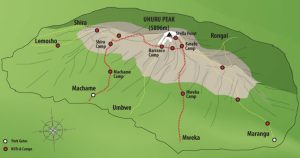
Machame Route
Duration: 6–7 days
Difficulty: Challenging
Accommodation: Camping
Success Rate: High
Crowd Level: High
Scenery: Excellent
Lemosho Route
Duration: 7–8 days
Difficulty: Moderate to Challenging
Accommodation: Camping
Success Rate: Very High
Crowd Level: Medium
Scenery: Outstanding
Marangu Route
Duration: 5–6 days
Difficulty: Moderate
Accommodation: Mountain huts
Success Rate: Low to Moderate
Crowd Level: High
Scenery: Moderate
Rongai Route
Duration: 6–7 days
Difficulty: Moderate
Accommodation: Camping
Success Rate: Moderate to High
Crowd Level: Low
Scenery: Good
Machame Route – The Most Popular Kilimanjaro Route
The Machame Route, often referred to as the “Whiskey Route,” is the most popular choice for climbers. It offers a perfect balance between challenge, scenery, and acclimatization.
This route approaches Kilimanjaro from the south and takes climbers through a wide range of ecosystems, including lush rainforest, moorland, alpine desert, and arctic summit conditions.
Duration: 6–7 days
Difficulty: Challenging
Accommodation: Camping
Highlights of Machame Route
- Beautiful rainforest with diverse vegetation
- Shira Plateau with panoramic views
- Lava Tower for acclimatization
- Barranco Wall, one of the most exciting sections of the climb
- Spectacular sunrise views near the summit
Advantages
Machame provides an excellent “climb high, sleep low” profile, which greatly improves acclimatization. This increases the chances of reaching the summit successfully. The route is also incredibly scenic, offering constantly changing landscapes throughout the climb.
Disadvantages
Due to its popularity, Machame can be crowded, especially during peak seasons. It is also physically demanding, making it more suitable for climbers with good fitness levels.
Best For
- Adventurous travelers
- First-time climbers with good fitness
- Those looking for a scenic and rewarding challenge
Lemosho Route – The Best Overall Kilimanjaro Route
The Lemosho Route is widely regarded as the best route on Kilimanjaro due to its combination of high success rate, low crowds (early days), and breathtaking scenery.
It begins on the western side of the mountain and offers a more remote and peaceful start compared to other routes.
Duration: 7–8 days
Difficulty: Moderate to Challenging
Accommodation: Camping
Highlights of Lemosho Route
- Remote rainforest with possible wildlife sightings
- Crossing the stunning Shira Plateau
- Barranco Valley and Barranco Wall
- Excellent panoramic views throughout the climb
Advantages
The longer duration allows for better acclimatization, making Lemosho one of the routes with the highest summit success rates. It also offers some of the most diverse and beautiful scenery on Kilimanjaro.
Disadvantages
The main drawback is that Lemosho is slightly more expensive due to the longer duration and logistics. However, the higher success rate often makes it worth the investment.
Best For
- First-time climbers aiming for high success
- Nature lovers and photographers
- Travelers looking for a premium Kilimanjaro experience
Marangu Route – The Only Hut Accommodation Route
The Marangu Route is unique because it is the only route on Kilimanjaro that offers hut accommodation instead of camping. It is often called the “Coca-Cola Route” due to its popularity and relative comfort.
Duration: 5–6 days
Difficulty: Moderate
Accommodation: Mountain huts
Highlights of Marangu Route
- Comfortable huts with beds
- Straightforward and direct path
- Less logistical complexity
Advantages
Marangu is ideal for climbers who prefer not to camp. It is also shorter and more budget-friendly, making it attractive for those with limited time.
Disadvantages
The biggest drawback is poor acclimatization due to the shorter itinerary. This leads to a lower summit success rate compared to other routes. Additionally, the scenery is less varied because the ascent and descent use the same trail.
Best For
- Budget travelers
- Climbers who prefer comfort
- Those who want a shorter trek
Rongai Route – The Quiet and Remote Route
The Rongai Route approaches Kilimanjaro from the north, near the Kenyan border. It is the least crowded of the major routes and offers a more peaceful climbing experience.
Duration: 6–7 days
Difficulty: Moderate
Accommodation: Camping
Highlights of Rongai Route
- Views of Mawenzi Peak
- Remote and quiet trails
- Drier conditions compared to southern routes
Advantages
Rongai is an excellent option during the rainy season because it receives less rainfall. The gradual ascent makes it easier for some climbers, and the low number of trekkers enhances the wilderness experience.
Disadvantages
The scenery is not as diverse as Machame or Lemosho. Acclimatization is also not as strong as longer routes.
Best For
- Climbers seeking solitude
- Off-season trekkers
- Those who prefer a quieter experience
Key Differences between the Routes
Acclimatization
Acclimatization is the most important factor for summit success.
Best: Lemosho
Very Good: Machame
Moderate: Rongai
Lowest: Marangu
Scenery
Best: Lemosho
Very Good: Machame
Good: Rongai
Moderate: Marangu
Crowd Levels
Most crowded: Machame and Marangu
Moderate: Lemosho
Least crowded: Rongai
Comfort
Most comfortable: Marangu (hut accommodation)
All other routes require camping
Success Rate
Highest: Lemosho
High: Machame
Moderate: Rongai
Lowest: Marangu
Which Kilimanjaro Route Should You Choose?
Choosing the right route depends on your priorities:
If you want the best overall experience and highest success rate, choose Lemosho.
If you want a popular and scenic adventure, choose Machame.
If you prefer comfort and shorter duration, choose Marangu.
If you want a quiet and less crowded climb, choose Rongai.
Expert Recommendation
For most climbers, the best choice is:
Best Overall: Lemosho Route
Best Value and Popularity: Machame Route
Best Comfort: Marangu Route
Best for Solitude: Rongai Route
Final Thoughts
Climbing Kilimanjaro is not just about reaching the summit—it’s about the journey. Each route offers a unique experience, from lush rainforests to alpine deserts and icy summit landscapes.
Taking the time to choose the right route will greatly improve your chances of success and ensure you enjoy every step of your adventure.
Whether you are a first-time climber or an experienced trekker, selecting the right route is the key to making your Kilimanjaro dream a reality.
Frequently Asked Questions (FAQs)
Which Kilimanjaro route is easiest?
Marangu is the easiest in terms of comfort, but not the best for reaching the summit successfully.
Which route has the highest success rate?
Lemosho has the highest success rate due to its longer itinerary and better acclimatization.
Which route is most scenic?
Lemosho and Machame offer the most scenic and diverse landscapes.
Which route is best for beginners?
Lemosho is the best choice for beginners because it provides more time to acclimatize.
Which route is least crowded?
Rongai is the least crowded route on Kilimanjaro.
👉 Book Your Kilimanjaro Climb
View Machame Route Itinerary
Explore Lemosho Packages
Contact Us for Custom Climb